
Steel faces heat, rain, dust, salt, and time every single day. Builders and engineers need proof that steel can stand strong for many years without rust or damage. That is where testing steps in. VG Steel Industries Sdn Bhd is a trusted hot-dip galvanizing company in Malaysia that offers hot galvanized coating for steel. In this blog, we will discuss how the coating process is tested for the long-term project’s durability.
Understanding the Purpose of Galvanized Coating
A galvanized coating wraps steel with zinc through a hot dip process. Zinc bonds with steel and forms a tough shield. This shield takes damage first and saves the steel beneath. Engineers trust this coating for bridges, towers, rails, and frames.
At VG Steel Industries Sdn Bhd, this coating protects steel for years. The company also runs one of the largest galvanizing kettles in the world. That scale supports large projects with steady quality. Testing checks each layer of zinc to confirm it meets industrial rules. Without testing, strength stays unknown. With testing, safety gains are proven.
Visual Inspection for Surface Quality
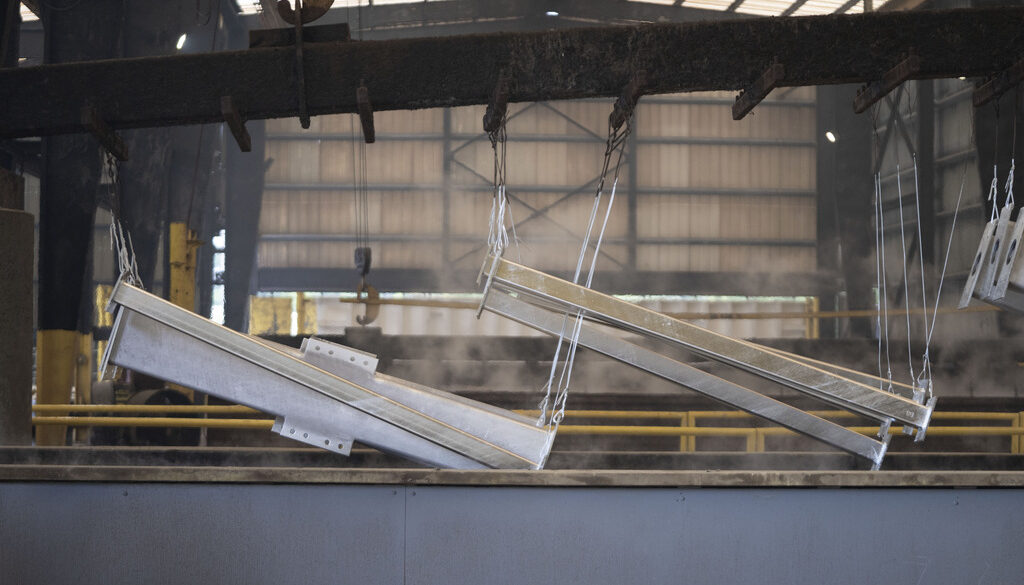
Testing begins with the eyes. Inspectors scan the steel surface after galvanizing. They look for smooth zinc flow, clean edges, and full coverage. Shiny or matte finishes both pass when zinc spreads evenly. Bare spots fail inspection and need correction.
This step confirms that zinc reached corners, holes, and hidden spaces. Paint often misses these areas, but galvanizing coats them with ease. Inspectors also check for lumps, ash marks, or sharp spikes. These signs show poor flow or surface issues. Visual inspection forms the first defence line in industrial testing and sets the stage for deeper checks.
Key points
- Full zinc coverage
- Clean edges and corners
- No bare steel visible
Measuring Zinc Thickness with Precision Tools
Zinc thickness plays a major role in durability. Thicker zinc lasts longer against rust. Inspectors use electronic gauges to measure zinc depth on the steel surface. These tools touch the steel and give instant readings without damage.
British standards such as BS EN ISO 1461 guide the required thickness. Inspectors record readings across many points on one product. This method ensures uniform protection. When readings meet the standard, the steel gains approval. When readings fall short, the product returns for correction.
This test proves that hot galvanized coating can face harsh weather, soil contact, and industrial stress for decades.
Key points
- Electronic thickness gauges
- Multiple readings on one item
- Compliance with recognised standards
Adhesion Testing for Zinc Bond Strength
Zinc must grip steel with strength. Weak bonding leads to peeling or cracks. Adhesion tests confirm that zinc and steel act as one unit. Inspectors apply controlled force to the surface and observe any separation.
Steel that passes this test resists scraping and impact. This quality supports use in construction sites, factories, and outdoor structures where contact and movement occur.
Key points
- Strong zinc steel bond
- Resistance to peeling
- Suitability for handling and transport
Impact and Abrasion Resistance Testing
Industrial steel faces knocks, scrapes, and pressure. Testing simulates these challenges. Inspectors strike coated steel with measured force or rub it against rough surfaces. They watch how the zinc layer reacts.
Galvanised steel performs well because zinc forms a tough outer skin. This skin absorbs damage without cracking. Painted steel often chips under similar tests. Impact testing proves that galvanised coatings protect steel during loading, storage, and installation.
Key points
- Resistance to knocks and scrapes
- Protection during handling
- Long service life
Corrosion Testing in Controlled Environments
Rust develops over time. Corrosion testing speeds up this process inside controlled chambers. Steel samples face moisture, salt spray, and heat cycles. Inspectors track how zinc reacts during these tests.
Zinc corrodes slowly and forms stable layers that protect the steel below. This sacrificial action saves steel even when the surface faces damage. Corrosion tests show how long the coating can last in coastal, urban, or industrial zones.
Results from these tests help engineers choose galvanised steel with confidence. They also prove that the galvanized coating supports sustainable construction through long life and low maintenance.
Key points
- Salt spray exposure
- Moisture resistance
- Long-term corrosion behaviour
Compliance with Industrial Standards
Testing follows strict rules. Standards set clear limits for thickness, finish, and performance. VG Steel Industries Sdn Bhd follows recognised British and international standards. Inspectors document every test result and keep clear records.
Compliance testing builds trust with clients, regulators, and engineers. It confirms that each product meets legal and technical needs. This step also supports export and large infrastructure projects.
Standards create fairness across the industry. They ensure that galvanised steel from different batches performs with equal strength and reliability.
Key points
- Standard-based testing
- Clear documentation
- Consistent quality
Why Testing Matters for Industrial Buyers
Testing protects people, projects, and investments. Buyers rely on test results to plan costs, timelines, and safety measures. Steel that passes testing reduces repair work and replacement costs. Galvanised steel also supports sustainability goals. Long life means less waste and fewer resources used for repairs. Testing confirms that steel can stay in service for decades without coating failure.
For industrial buyers, testing removes doubt. It turns promises into proven performance and supports confident decision-making.
Key points
- Reduced maintenance
- Long service life
- Reliable performance
Conclusion
Testing stands as the silent guardian of galvanised steel quality. Each inspection, measurement, and trial confirms that zinc protects steel with strength and care. At VG Steel Industries Sdn Bhd, we test every product before it reaches the client. From visual checks to corrosion trials, each step adds proof of durability. These tests show why galvanised steel supports bridges, factories, and cities across Malaysia. By understanding testing methods, readers gain insight into how quality grows through discipline and skill. Strong testing builds strong steel, and strong steel builds a safer future for industry and communities alike.